Your Glaucoma And High Eye Pressure May Be Getting Worse Because Of A Toxic Plaque Inside Your Eyes — And A 30-Second Method May Help Flush It Out
If your eye pressure stays unstable, your vision feels more blurry, and eye drops don’t seem to stop the decline — the real cause may not be aging or genetics at all
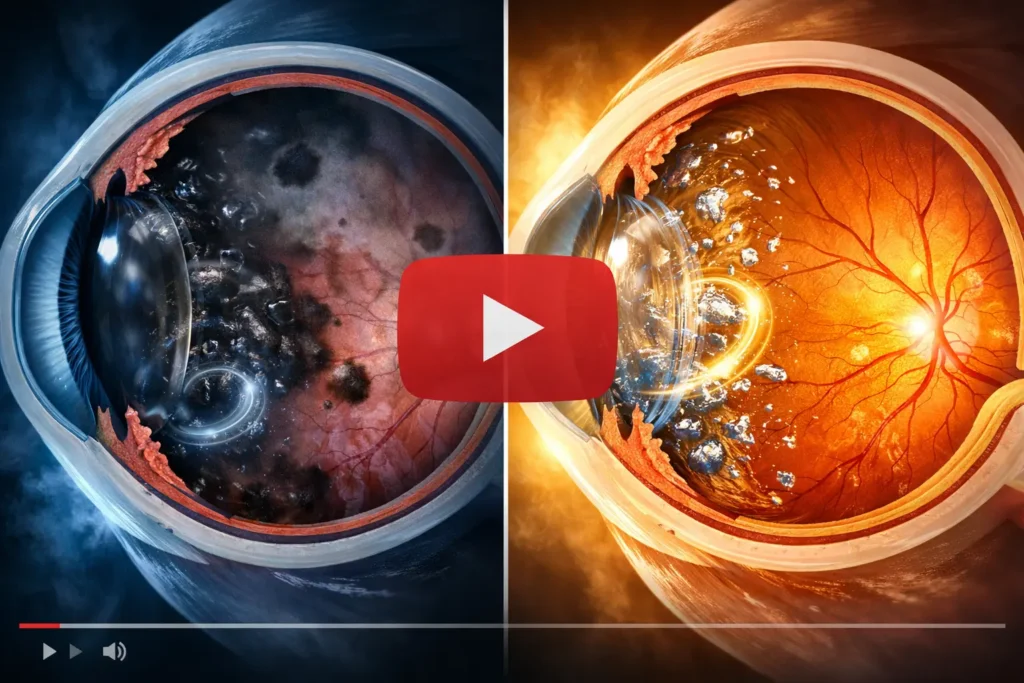
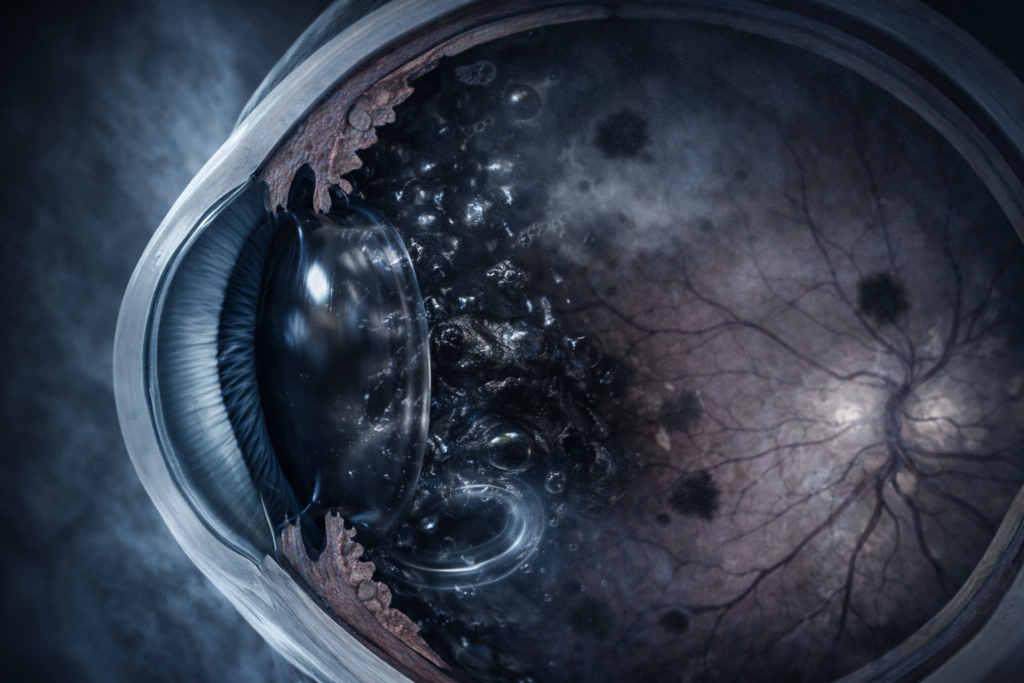
Most people believe glaucoma and high eye pressure happen because of age, genetics, or screen use.
But new findings suggest these explanations don’t answer the most common complaint people have:
“Why is my vision still getting worse even though I’m using eye drops?”
Researchers now point to a microscopic toxic plaque that can slowly build up inside the eye, interfering with how eye pressure is regulated and how light reaches the retina.
As this plaque accumulates:
Eye pressure becomes harder to control
Vision turns increasingly blurred
Dark spots and shadows appear
Night driving becomes more difficult
Because this plaque isn’t addressed by conventional treatments, many people feel stuck — doing everything right, yet still watching their vision decline.
It’s not simply aging.
It’s not “bad genetics.”
It’s this hidden toxic buildup inside the eye — and if it’s not addressed in time, the damage can become permanent.
If you worry about losing your independence because of glaucoma or eye pressure, you’re not imagining things.
- The fear of night driving because headlights look blurry and distorte
- The frustration of not seeing clearly anymore, even with glasses
- The anxiety of wondering if you’ll lose your driver’s license
- The quiet panic of feeling your vision slowly slipping away
These fears are common among people searching for: “glaucoma help”, “high eye pressure relief”, “why is my vision blurry?”. Because vision loss isn’t just about eyesight.
It’s about freedom, confidence, and control. And once these symptoms begin, they rarely stay the same. They usually get worse — silently — until daily life starts shrinking.
What’s Really Happening Inside Your Eyes — And Why Pressure Keeps Rising
New research suggests this toxic plaque interferes with circulation and pressure balance inside the eye, disrupting how oxygen and nutrients reach critical visual structures.
This explains why many people experience: Rising eye pressure, worsening blurred vision, increased light sensitivity, dark spots that don’t go away.
In the video below, a U.S. Army veteran explains how he discovered a simple 30-second ocular detox method designed to help the body flush out this plaque — instead of just masking symptoms.
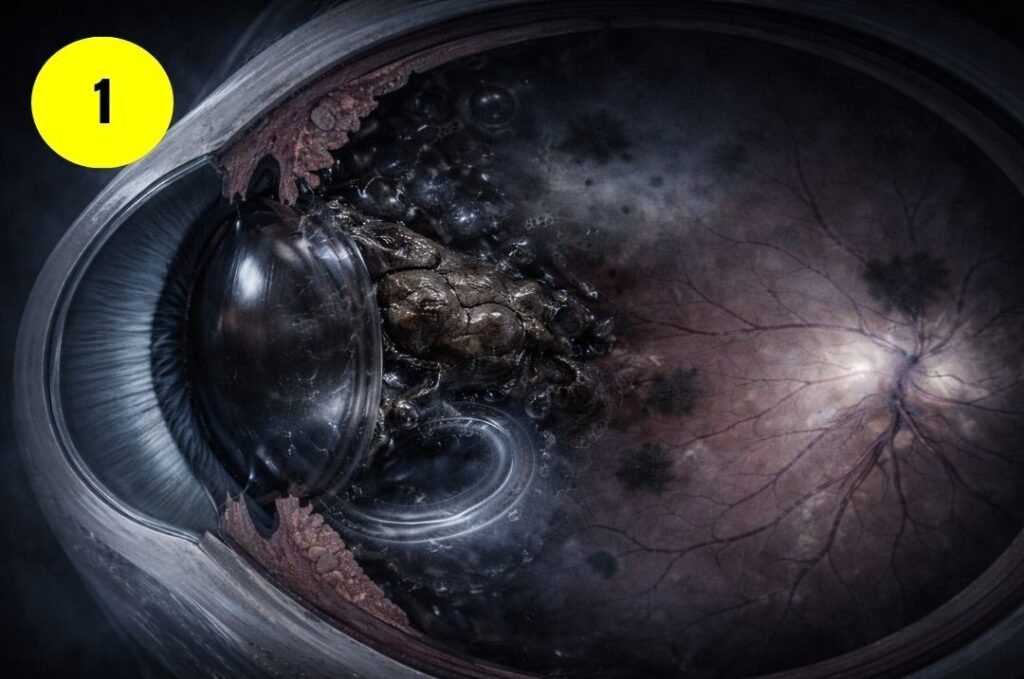
STAGE 1 – PRESSURE BUILDUP
Plaque disrupts internal eye balance. Vision blurs. Pressure rises. Night vision worsens.
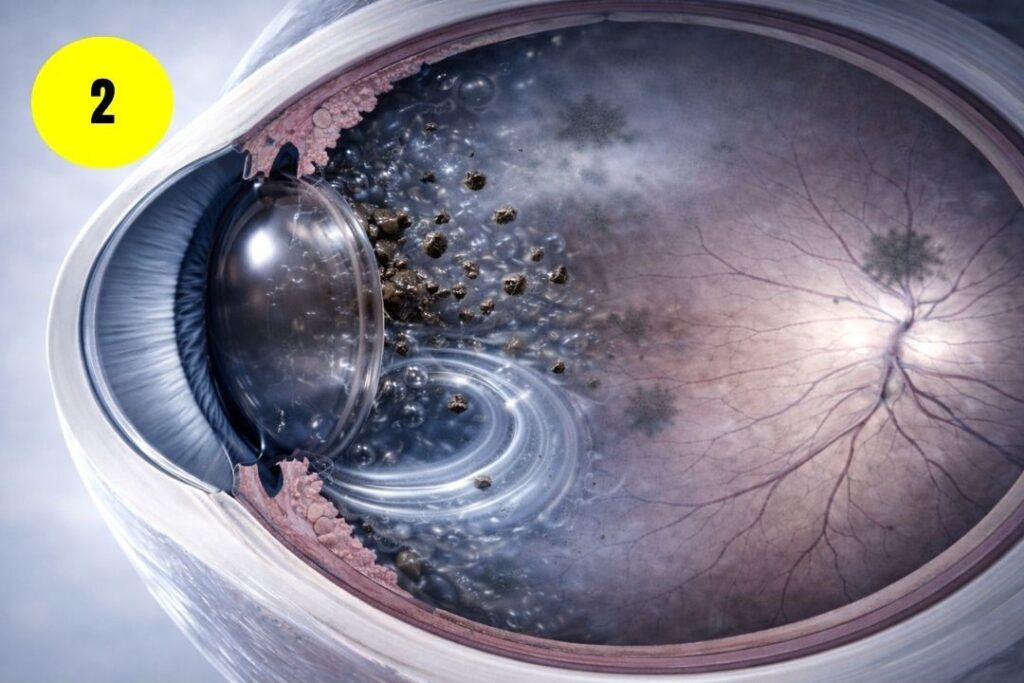
STAGE 2 – FLUSHING
Consistent use of the method helps ease internal congestion. Pressure stabilizes. Visual strain reduces.
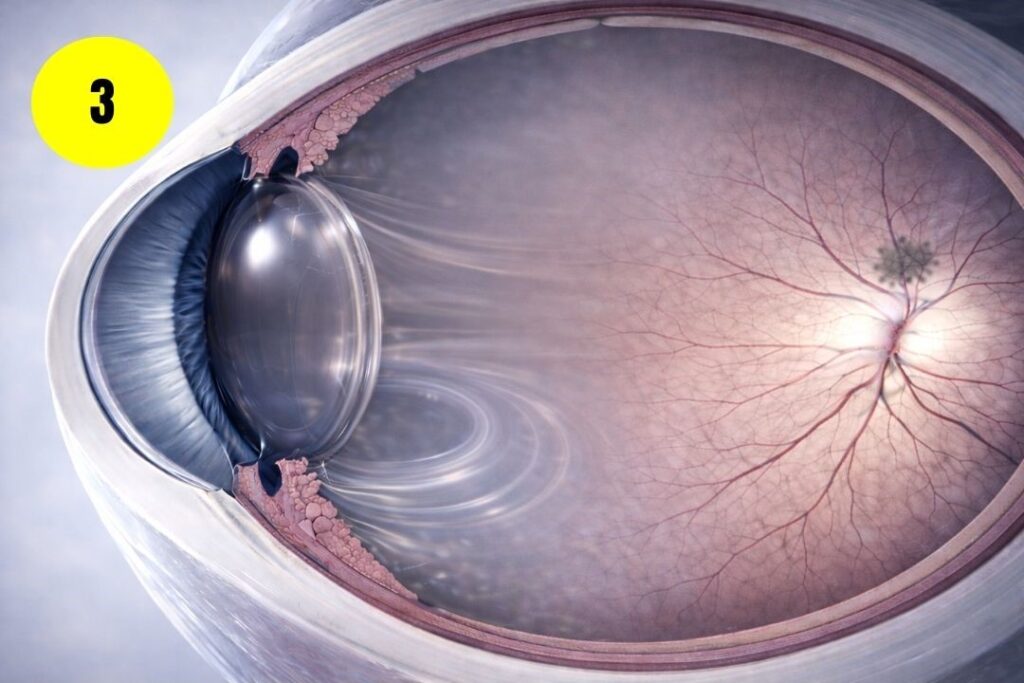
STAGE 3 – CLARITY RETURNING
Light reaches the retina more effectively. Reading and recognizing faces become easier.
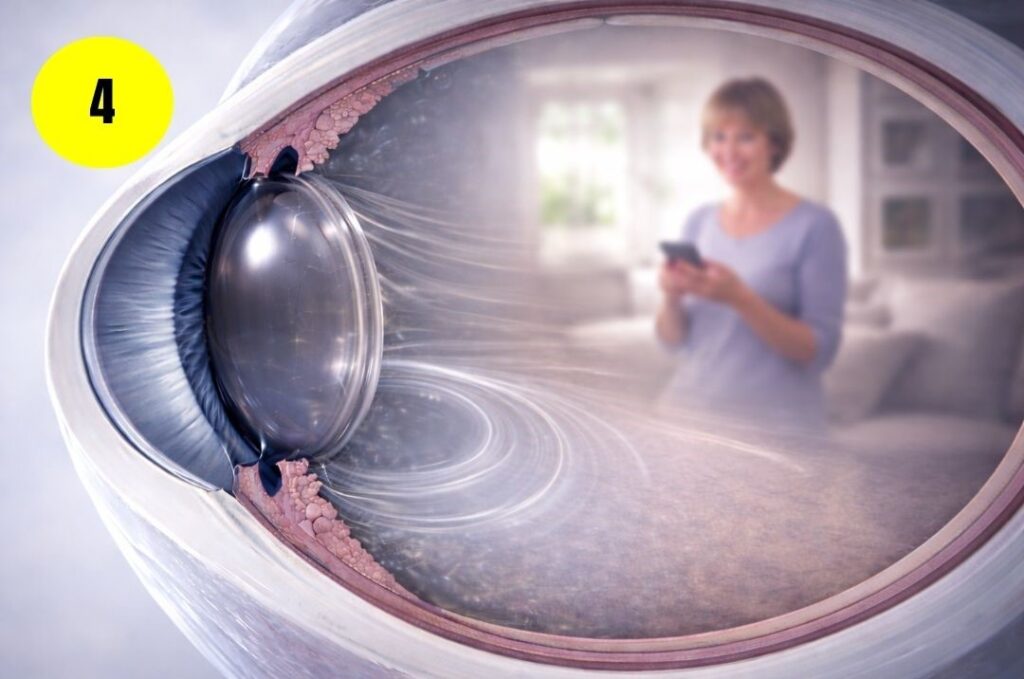
STAGE 4 – CONTROL RESTORED
Vision feels more stable. Fear decreases. Independence feels possible again.
Which stage sounds like YOU right now?

I’ll never forget the moment I realized something was seriously wrong with my eyes.
I was driving home at night when the headlights started blurring into halos. Street signs looked distorted. I squinted, adjusted my focus, slowed down — but nothing helped. A wave of pressure sat behind my eyes, and for the first time, fear hit me hard: what if I couldn’t drive safely anymore?
Over the following weeks, it only got worse. Blurred vision that wouldn’t clear. Dark spots drifting across my sight. Eye pressure that never fully went away. I pretended everything was fine — but deep down, I knew my vision was slipping, no matter how disciplined I was with eye drops and checkups.
And then came the realization that changed everything.
What was happening to me wasn’t simply aging or genetics. It was something hidden — a toxic plaque-like buildup silently disrupting eye pressure and starving the retina. A process no eye drops, no monitoring, no surgery could truly fix.
For the first time, I understood why my vision was declining so fast.
And with that understanding came hope. Real hope.
I realized vision loss wasn’t inevitable. I could imagine driving at night without fear, reading without strain, and living without constantly worrying about what I was losing.
For the first time in years, I could see a future where my vision wasn’t fading away — but finally being protected.